


Damage Restoration Services in Timberwood Park, TX
- Last Updated: September 2, 2026
Service With a Heart
- Licensed, Certified & Insured
- Upfront, Honest Pricing
- Satisfaction Guaranteed
- Licensed, Certified & Insured
- Upfront, Honest Pricing
- Satisfaction Guaranteed
Damage Restoration in Timberwood Park, TX
Timberwood Park, TX is an unincorporated community in Bexar County situated along the northern edge of the San Antonio metro where the Texas Hill Country terrain begins to assert itself. Homes here sit on rocky, cedar-covered land with variable topography, larger lot sizes than the subdivisions closer to the city core, and a development timeline that runs from the late 1970s through the present. The mix of established older homes and newer infill construction, combined with the community’s position near the Guadalupe River watershed and its exposure to the weather patterns that move through the Hill Country edge, produces a damage profile that reflects both the age of the housing and the demands of the terrain.
At Crown Restoration, we work in Timberwood Park with an understanding of what this particular landscape does to homes over time. Rocky soil that drains quickly in some areas and channels surface water in unexpected directions in others, aging septic and plumbing systems on larger lots, and the cedar and oak tree canopy that creates a shaded, moisture-retaining microclimate are all factors we encounter on service calls throughout the community.
Our Services
Contact Us
Why Homeowners in Timberwood Park, TX Trust Us

Water Damage Restoration
Timberwood Park’s Hill Country topography means water moves fast and unpredictably during rain events. Homes positioned at the base of natural grades or near drainage channels carved into the rocky terrain can receive concentrated surface runoff that overtops standard drainage features, directing water toward foundations and into low-level entry points before occupants are aware of the risk. The rocky substrate that makes this area visually distinctive also limits the soil’s capacity to absorb water gradually, meaning rain events translate quickly into surface flow.
Our water damage restoration process in Timberwood Park accounts for the terrain-specific ways water enters and moves through these properties. A complete moisture assessment using thermal imaging and moisture metering locates all saturation before any material removal begins. We extract standing water, remove affected materials, and establish an industrial drying environment maintained through verified moisture clearance. The older homes throughout the community receive particular attention during assessment given their original moisture barriers and plumbing configurations.
Fire Damage Restoration
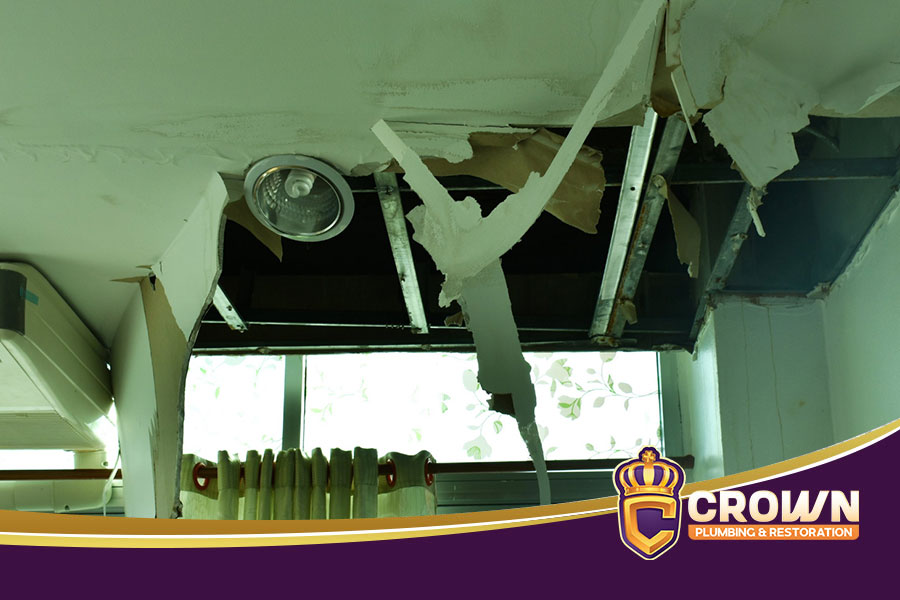
Timberwood Park’s heavily wooded character and the prevalence of cedar on and around residential properties represent a significant wildland fire interface risk. During dry periods, which are common across the Hill Country edge in summer and fall, the cedar-oak canopy near homes can carry fire quickly toward structures. Beyond the external wildfire risk, older homes in the community that were built with original wiring and without modern fire blocking in wall assemblies are also more vulnerable to interior fire spread than newer construction.
Crown Restoration assesses fire damage in Timberwood Park homes with the full scope of smoke travel in mind. We map soot distribution throughout the structure, evaluate HVAC contamination, address embedded odors using professional neutralization equipment, and remove materials that cannot be effectively restored before any reconstruction begins. Homes with large attic spaces and complex rooflines, which are common in this community, receive particular attention for smoke infiltration beyond the primary affected area.
Mold Remediation
The shaded, wooded lots of Timberwood Park create some of the most mold-hospitable exterior conditions in the broader San Antonio area. Rooflines that remain damp for extended periods after rain, gutters clogged with cedar debris, and crawl spaces or pier-and-beam foundations on older properties that allow ground moisture to interact with structural framing are conditions our crews document frequently in this community. The combination of organic debris accumulation and limited sun exposure on shaded sections of the home creates persistent moisture availability that mold exploits readily.
Our remediation approach in Timberwood Park homes begins with a thorough moisture source investigation before any material removal starts. We identify every active pathway contributing to moisture accumulation, establish containment, remove colonized materials, treat substrates, and conduct post-remediation air quality verification. Homeowners receive complete documentation of the process and clearance testing results before the project is closed.
Asbestos Removal
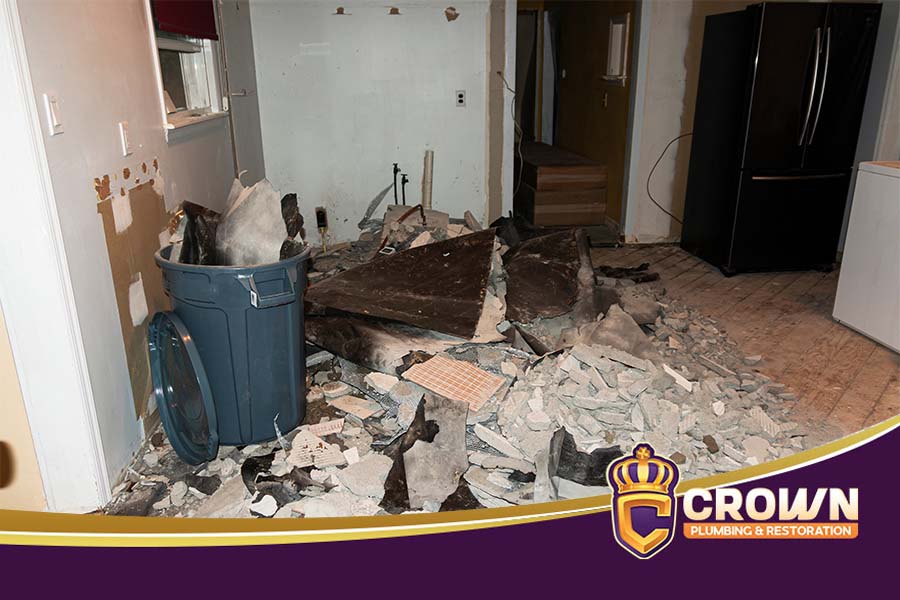
Timberwood Park’s older residential properties, particularly those built in the 1970s and 1980s, carry the same asbestos risk profile as other communities developed during that era. Floor tiles, acoustic ceiling textures, duct insulation, and joint compounds from original construction are the most common material categories requiring assessment. In a community where many homes have been modified and added onto over the decades, the potential for encountering asbestos-containing materials in both original and early-renovation scopes is meaningful.
Our abatement team conducts professional sampling with third-party laboratory confirmation before any asbestos-related removal work begins. Containment, suppression techniques, and regulated waste handling follow Texas DSHS protocols throughout every project. Timberwood Park homeowners undertaking any renovation in a pre-1990 structure, or dealing with a damage event that has disturbed existing materials, should request material testing before any work that involves opening walls, ceilings, or flooring.


Why Crown Restoration Serves Timberwood Park
Timberwood Park’s terrain, wooded character, and mix of housing ages create a restoration environment that rewards local knowledge and diagnostic experience. Crown Restoration handles the full range of damage recovery in this community, from stormwater intrusion driven by Hill Country drainage patterns to fire restoration in cedar-canopy risk zones to mold remediation in shaded, moisture-retaining properties.
We manage every phase of restoration in house, coordinate with insurance carriers, and maintain clear communication with homeowners from first assessment through final walkthrough. If your Timberwood Park home has been affected by water, fire, mold, or asbestos damage, contact our team today to schedule a professional assessment.
Frequently Asked Questions
My Timberwood Park home sits at the bottom of a slope. Why does water keep entering after heavy rain?
Homes positioned at the base of natural grades in the Hill Country terrain receive concentrated surface runoff that accumulates faster than it can be redirected by standard drainage features. Rocky substrate limits soil absorption, so rain that falls on upslope areas moves quickly as surface flow toward lower elevations. The solution typically involves grading adjustments, French drain installation, or other drainage improvements to redirect water away from the foundation, combined with sealing or waterproofing interior entry points. A professional assessment can evaluate the specific flow patterns on your property.
Does the cedar canopy around my home increase my wildfire risk significantly?
Yes. Cedar is among the most flammable of the common Hill Country tree species, and dense stands near a home’s foundation or roof line shorten the distance between an ignition source and the structure itself. Maintaining a defensible space by removing dead cedar, trimming living trees away from the roofline, and clearing debris from gutters and against the foundation reduces fire approach risk meaningfully. If your home has experienced fire damage, contact a restoration professional for a full structural and smoke assessment regardless of whether the fire reached the interior.
How do I know if my Timberwood Park home's crawl space or subfloor has a moisture problem?
Signs of subfloor or crawl space moisture include soft or spongy areas in flooring, a persistent earthy or musty odor that worsens in humid weather, visible condensation or staining on exposed framing during an inspection, and in some cases warping or cupping of hardwood or engineered wood flooring. A professional moisture assessment that includes inspection of accessible subfloor and crawl space areas is the most reliable way to evaluate conditions and determine whether intervention is needed.
Can mold grow on the exterior of a Timberwood Park home, and does that indicate interior problems?
Exterior mold growth on siding, soffits, or roofing materials is common in Timberwood Park’s shaded, humid microclimate and does not by itself confirm interior colonization. However, exterior growth on surfaces adjacent to wall assemblies, particularly around windows, roofline penetrations, or areas where caulking has failed, can indicate moisture pathways that allow water to enter the wall cavity. Exterior mold growth in those locations warrants a professional interior moisture assessment to rule out related interior conditions.
How are asbestos abatement and general renovation work coordinated in an older Timberwood Park home?
The abatement work must be completed and independently verified before renovation work resumes in the affected area. This sequencing is a regulatory requirement, not simply a best practice. Our team handles the abatement scope and can communicate directly with your general contractor or renovation team about clearance status so that the project timeline is managed without unnecessary delays. Having a single point of contact for both abatement and restoration work simplifies coordination significantly.