
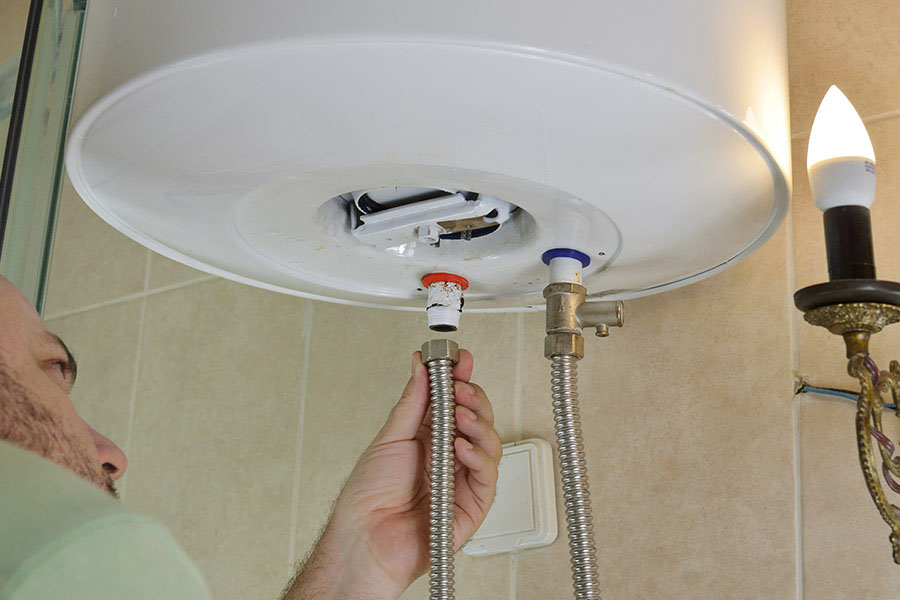
We need to pay attention to warning signs that our water heater in Cibolo, TX, may need repair. Strange noises, discolored water, leaks, temperature issues, reduced hot water supply, pilot light problems, and an outdated heater are all red flags. Ignoring these can lead to water damage, mold, and safety hazards. If we address these issues promptly, we can extend the life of our water heater and avoid costly emergencies. Continue reading to learn more about each of these warning signs and how to address them.
Strange Noises From the Water Heater
If your water heater is making strange noises, it’s a sign that something may be wrong. These unusual sounds often indicate sediment buildup, mineral deposits, or other internal issues.
A rumbling, popping, or banging noise, for example, could mean the water heater’s tank is suffering from excessive sediment. Over time, this can damage the tank’s interior and compromise efficiency.
A whistling or high-pitched sound might signal a problem with the pressure relief valve.
Don’t ignore these warning signs – they’re your water heater’s way of telling you it needs professional attention. Scheduling an inspection and repair with an experienced plumber can help prevent more serious and costly problems down the line. Prompt repairs extend unit lifespan and improve efficiency, ensuring your home remains comfortable.
Discolored or Rusty Water
Discolored or rusty water is another telltale sign that your water heater may need attention.
If you notice your tap water has a reddish-brown tint or appears cloudy, it’s likely because of the breakdown of the water heater’s interior components. Over time, the tank lining can deteriorate, allowing rust and sediment to seep into the water supply.
This discoloration isn’t only unpleasant but can likewise indicate a more serious issue, like a leaking tank. If you experience this, it’s best to have a professional inspect your water heater promptly. Addressing the problem early can prevent further damage and guarantee your home’s plumbing system continues to function safely and efficiently. It’s essential to consult with certified technicians who can provide expert advice and ensure proper handling of your water heater issues.
Leaks Around the Water Heater
Leaks around the water heater are another sign that it may need attention. If you notice water pooling or dripping from the tank’s base, fittings, or connections, it’s a clear indication that something isn’t right.
These leaks can lead to water damage, mold growth, and even safety hazards if left unchecked. We recommend inspecting the area around your water heater regularly and addressing any leaks promptly.
This may involve tightening connections, replacing worn washers or gaskets, or, in some cases, replacing the entire unit. Reliable plumbing repair services can help you address these issues effectively.
Don’t ignore these leaks – they’re a warning sign that should be taken seriously to protect your home and avoid more costly repairs down the line.
Inconsistent Water Temperature
If the water temperature in your home is fluctuating, leaving you with unpredictable hot water and inconsistent heating performance, it could signal a deeper issue with your water heater.
This erratic behavior often indicates a problem that needs prompt attention from a professional. Expert tankless water heater installation can help ensure your system operates smoothly and efficiently.
Don’t ignore these warning signs – they may point to a more serious malfunction that requires water heater repair or replacement.
Fluctuating Temperature Levels
When your water heater’s temperature levels begin to fluctuate, delivering inconsistent hot water, it’s a telltale sign that something’s amiss. This erratic behavior often indicates a problem with the thermostat, heating element, or sediment buildup within the tank.
If we notice the water temperature swinging wildly between scalding hot and uncomfortably cold, it’s time to investigate further. Inconsistent temperatures can be more than just a nuisance—they may likewise pose a safety hazard.
That’s why it’s essential to address this issue promptly by calling in a professional plumber to diagnose and resolve the underlying problem. Don’t let fluctuating water heater temperatures compromise your comfort and convenience.
Unpredictable Hot Water
Unpredictable hot water can be a frustrating issue, as we never know whether we’ll have a comfortable shower or be blasted with scalding water one minute and ice-cold the next.
This unpredictability often signals a problem with your water heater. Some common causes include:
- Thermostat Malfunction: A faulty thermostat can cause the water temperature to fluctuate erratically.
- Sediment Buildup: Over time, sediment can accumulate in the tank, disrupting heat distribution.
- Heating Element Failure: If one of the heating elements stops working, you’ll experience inconsistent temperatures.
- Leaks: Even a small leak can affect water pressure and temperature.
Addressing these issues promptly can restore reliable, consistent hot water.
Don’t wait – call a professional for water heater repair in Cibolo, TX.
Inconsistent Heating Performance
Inconsistent water temperature can be more than just a nuisance – it often signals a deeper issue with your home’s water heater.
If you’re experiencing fluctuations in water heat, it could indicate a problem with the thermostat, heating element, or other internal components. This can result in water that’s too hot one minute and barely warm the next.
Inconsistent heating performance wastes energy, prevents you from getting the hot water you need, and may even be a safety hazard.
Don’t ignore these warning signs. Reach out to the experts at Crown Plumbing & Water Damage Restoration for a thorough inspection and prompt repair.
We’ll identify the root cause and get your water heater back to peak performance.
Reduced Hot Water Supply
If your home’s water heater is no longer providing enough hot water, there are a few common culprits to take into account.
A reduced hot water supply can stem from several issues, including a damaged heating element, sediment buildup, an undersized tank, or even a failing thermostat.
Here’s what to look for:
- The water heater isn’t heating up as quickly as it used to.
- The hot water runs out faster than normal.
- The water temperature is inconsistent or cooler than expected.
- You notice leaks or rust around the unit.
Don’t ignore a diminished hot water supply.
It’s a clear sign that your water heater needs professional attention. The sooner you address the problem, the better you can avoid more extensive (and expensive) damage down the line.
Pilot Light Issues
If your water heater’s pilot light is flickering or has gone out entirely, that’s a sign of a potential issue.
A flickering pilot light could indicate a problem with the gas supply, while an extinguished pilot light may mean you need to relight it or address an underlying problem.
Either way, these pilot light issues require prompt attention to guarantee safe and efficient operation of your water heater.
Flickering Pilot Light
Does your water heater’s pilot light keep flickering or going out unexpectedly? This could be a sign of an underlying issue that needs professional attention.
A flickering pilot light often indicates:
- Low gas pressure
- Debris buildup
- Thermocouple malfunction
- Pilot light adjustment issues
Don’t ignore these warning signs. Continuous pilot light problems can lead to safety hazards and further system damage if left unaddressed.
Our experienced plumbers will quickly diagnose the root cause and provide a permanent solution to restore your water heater’s reliable performance.
With our transparent pricing and satisfaction guarantee, you can trust Crown Plumbing & Water Damage Restoration to get the job done right.
Extinguished Pilot Light
Why does your water heater’s pilot light keep going out? An extinguished pilot light can indicate several underlying issues.
It may signal a problem with the gas supply, a faulty thermocouple, or even a worn-out pilot assembly. If the pilot light won’t stay lit, it could mean the thermocouple is malfunctioning and needs replacement.
Pilot light issues can additionally arise from debris buildup or a draft in the area. Resolving an extinguished pilot light requires professional troubleshooting to identify the root cause.
Attempting DIY repairs can be risky and may lead to further damage. Our experienced technicians will get your pilot light reliably re-lit and guarantee your water heater is operating safely and efficiently.
Outdated or Aging Water Heater
As our water heaters age, they can start to exhibit signs that it may be time for a replacement.
An outdated or aging water heater can lead to costly issues like decreased efficiency, inconsistent hot water, and even potential safety hazards.
Look out for these four key indicators:
- Age – Water heaters typically last 8-12 years. If yours is pushing 15, it’s likely time to upgrade.
- Odd Noises – Rumbling, popping, or banging sounds can signal sediment buildup and tank degradation.
- Leaking – Any sign of leakage around the tank or connections is a red flag.
- Discolored Water – Rusty, cloudy, or smelly hot water often points to internal corrosion.
Don’t wait until your water heater fails completely.
Addressing these warning signs early can help you avoid a costly emergency down the line.

Conclusion
We hope this guide has shed light on the telltale signs that your water heater may be in need of some TLC. By keeping a watchful eye and addressing any issues promptly, you can keep your home’s hot water flowing without a hitch. Remember, a well-maintained water heater is the key to comfort and convenience, so don’t hesitate to reach out to our team if you have any concerns.