
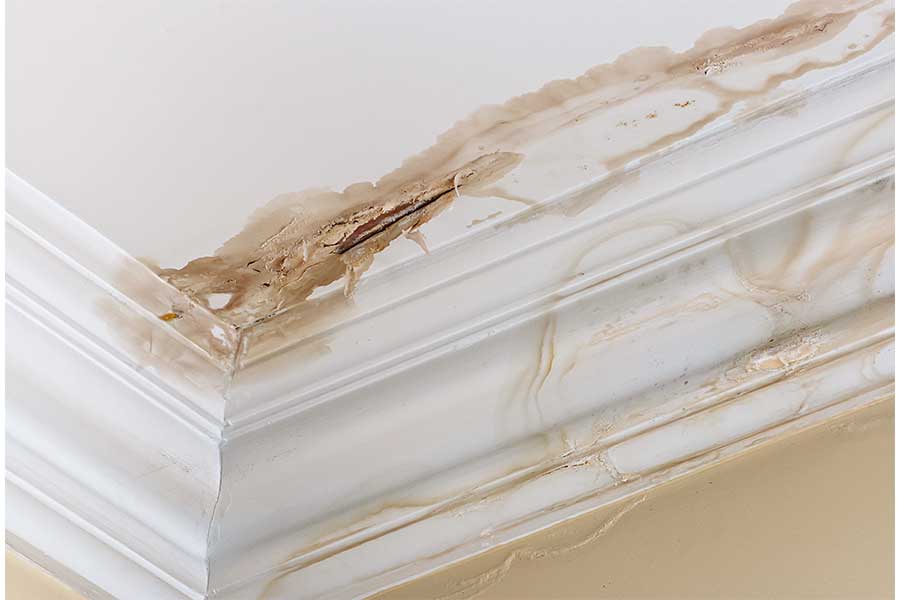
Water damage and mold growth are closely connected. In most cases, mold does not appear without a preceding moisture event, whether that is a burst pipe, a roof leak, a sewage backup, flooding from a storm, or a slow hidden leak that went undetected for an extended period. Understanding the warning signs that mold is beginning to develop after water exposure gives homeowners the opportunity to act before a manageable situation becomes a serious health and structural concern.
For homeowners in Selma, TX, this is a particularly relevant topic. Located along IH-35 in the fast-growing corridor between San Antonio and New Braunfels, Selma experiences warm and humid conditions for a significant portion of the year. When water exposure occurs inside a home in this climate, the conditions that follow are highly favorable for mold development. Warmth and moisture are the two primary ingredients mold requires, and Selma’s environment provides both in abundance during most seasons.
Our team responds to water damage situations throughout this area, and we consistently find that homeowners who recognize early mold warning signs avoid the more extensive remediation projects that develop when the problem is allowed to progress unaddressed.
How Quickly Mold Can Develop After Water Exposure
One of the most important things homeowners need to understand about mold is how rapidly it can establish itself following a water event. Under favorable conditions, mold spores can begin germinating and colonizing on wet building materials within 24 to 48 hours. Within a week of sustained moisture exposure, a mold colony can become well established and begin spreading to adjacent materials.
This timeline means that the period immediately following water damage is critical. Every hour that passes with wet materials remaining wet narrows the window for drying and prevention. Professional water damage response is designed to extract moisture, promote drying, and treat affected materials within that critical early window. When that response is delayed or incomplete, mold development becomes significantly more likely.
In Selma’s climate, where ambient humidity is already elevated during warm months, the drying process is slower than in drier environments. Materials that might dry adequately in a low-humidity climate may retain enough moisture in Selma’s conditions to support mold growth even after surface water has been removed.
1. A Musty or Earthy Odor That Was Not Present Before
The most reliable early indicator of developing mold is an odor that was not present in the space before the water event occurred. Mold produces microbial volatile organic compounds as part of its metabolic process, and these compounds have a distinctive musty, earthy, or damp smell that most people recognize intuitively even if they cannot immediately identify the source.
This odor often appears before any visible mold growth is evident. The colony may be developing inside a wall cavity, beneath flooring, behind cabinetry, or in another enclosed space where it is not yet visible. The smell is the first signal that organic growth is underway in a location that may not be accessible without investigation.
Based on what we see in Selma properties following water events, homeowners who notice a new musty smell in a room that experienced water exposure should treat it as a strong indicator of active mold development rather than a residual dampness odor that will resolve on its own. A professional evaluation is the appropriate response to this symptom, not a wait-and-see approach.
2. Visible Discoloration on Walls, Ceilings, or Floors
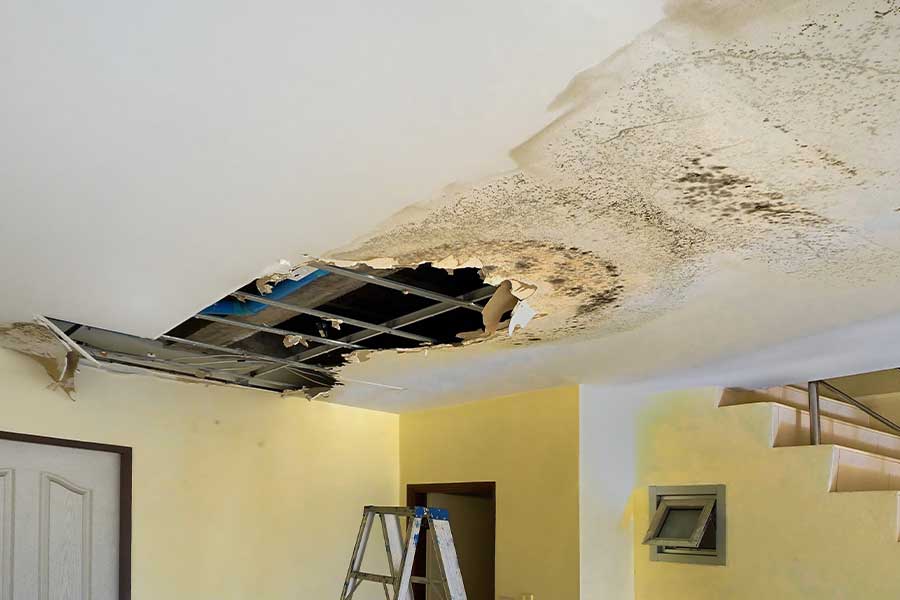
Visible discoloration on building surfaces following water exposure is a warning sign that should never be dismissed. Mold colonies are not always the dramatic black patches that most people picture. Developing mold growth can appear as small spots or patches in colors ranging from white, gray, and green to brown and black depending on the species and the stage of development.
Discoloration that appears on drywall, ceiling tiles, wood framing, subflooring, or other organic building materials after a water event is highly likely to be mold or mildew rather than simple staining. The distinction matters because staining is cosmetic while mold represents active biological growth that will continue to spread if the moisture source and the colony itself are not addressed professionally.
In Selma homes where water intrusion reached drywall or wood framing, discoloration that emerges in the days following the event should be evaluated by a mold remediation professional rather than painted over or treated with consumer cleaning products. Surface treatment of visible mold without addressing the moisture source and the full extent of the colony rarely produces a lasting result.
3. Warping, Buckling, or Soft Spots in Building Materials
Building materials that have absorbed moisture and are beginning to support mold growth often show physical changes before the mold itself becomes clearly visible. Drywall that has been wet may bulge, sag, or develop a soft texture. Wood flooring may warp, cup, or separate at the seams. Subfloor materials may develop soft spots that feel spongy underfoot. Ceiling tiles may bow or sag.
These physical changes indicate that the material has absorbed enough moisture to begin structural degradation. Whether or not visible mold is present at these locations, the moisture content of these materials is likely high enough to support active mold growth either on the surface or within the material itself.
Working in homes across Selma, physical changes to building materials following water exposure are a reliable indicator that the affected materials need professional evaluation. In many cases, drywall and other porous materials that have been thoroughly saturated need to be removed and replaced rather than dried in place, particularly if the water event occurred more than 24 to 48 hours before drying efforts began.
4. Condensation and Persistent Surface Moisture
Following a significant water event, moisture evaporates from wet materials into the surrounding air, raising the indoor humidity level. This elevated humidity then condenses on cooler surfaces throughout the affected space, including windows, metal fixtures, pipes, and wall surfaces. Persistent condensation that continues for days after the initial water event is a sign that the indoor moisture level remains high enough to support ongoing mold development.
Selma’s warm outdoor temperatures during most of the year mean that even with windows open and fans running, achieving adequate drying without professional dehumidification equipment can be difficult. Consumer fans move air but do not remove moisture from it. Without equipment that actively extracts moisture from the air, materials may remain at mold-supportive moisture levels for an extended period after a water event.
If condensation is visible on surfaces in or near the area of water exposure days after the initial event, the drying process has not been completed and the risk of mold development remains active.
5. Allergy-Like Symptoms in Household Members
Mold releases spores as part of its reproductive cycle, and those spores become airborne in the spaces where the colony is present. For household members who are sensitive to mold spores, exposure can produce symptoms that resemble seasonal allergies, including sneezing, nasal congestion, itchy or watery eyes, skin irritation, and respiratory discomfort. These symptoms often appear or worsen when the person is at home and improve when they are away from the property.
While mold exposure affects individuals differently depending on sensitivity and health status, new or worsening allergy-like symptoms that developed following a water event in the home should be taken seriously as a potential indicator of mold presence. Children, elderly household members, and individuals with existing respiratory conditions or compromised immune systems are typically more sensitive to mold spore exposure.
When household members are experiencing symptoms that correlate with time spent in a specific area of the home following water damage, a professional mold testing evaluation is a prudent step. Testing can confirm or rule out mold presence and provide information about the species and concentration of spores present in the indoor environment.
6. Water Stains That Expand or Reappear
A water stain that appeared on a ceiling or wall following a water event and then stopped changing is a historical marker of where moisture reached. A stain that continues to expand, reappears after drying, or develops a darker border or fuzzy texture is something more serious. Expanding or recurring stains indicate that moisture is still present in the affected material and that biological activity may be occurring within or behind the stained area.
In our service calls throughout Selma, expanding ceiling stains following a leak or roof intrusion event are frequently associated with active mold growth in the insulation and framing above the stained drywall. The stain visible from inside the room represents only the point where moisture has migrated through the material to the surface. The actual area of moisture saturation and potential mold growth above or behind that surface is often larger than the visible stain suggests.
Any stain that is changing rather than stable warrants professional investigation to determine whether active moisture and mold development are occurring in the building assembly behind the visible surface.
7. Deteriorating Grout, Caulking, or Surface Finishes
In bathrooms, kitchens, and other areas where water exposure is ongoing rather than event-based, developing mold often first manifests as rapid deterioration of grout lines, caulking, and surface finishes. Grout that discolors quickly after cleaning, caulking that develops staining or begins to separate from surfaces, and paint that peels or bubbles in areas away from direct water contact are all signs that moisture is present at a level that is promoting biological activity.
These symptoms in areas adjacent to where a water event occurred suggest that moisture has migrated further than initially apparent. Water follows the path of least resistance and can travel significant distances through building assemblies before it becomes visible or before its effects become apparent at the surface.
The Connection Between Water Damage and Mold Remediation
Mold that develops following water damage requires a two-part professional response. The moisture source must be identified and corrected, and the mold colony itself must be properly addressed. Addressing only one part of this equation without the other produces incomplete results.
If a leak caused the water event, professional repair corrects the source so that moisture intrusion does not continue after remediation work is completed. If the water event was caused by a sewage backup, storm intrusion, or appliance failure, the source must similarly be resolved before remediation begins. Attempting mold remediation while an active moisture source remains is not effective because the conditions that support mold growth have not been eliminated.
Once the moisture source is corrected, professional mold remediation addresses the colony itself using containment, removal of affected materials where necessary, treatment of structural components, and verification testing to confirm that the remediation has been successful before the space is closed up and restored.
Acting Within the Critical Window
The warning signs described in this article are most meaningful when they are recognized and acted upon quickly. Mold development is not a slow, gradual process under favorable conditions. It accelerates, and a colony that is small and contained in the first few days following a water event can become widespread and deeply embedded in building materials within two to three weeks if left unaddressed.
Selma homeowners who experience a water event of any significance, whether from an appliance leak, storm intrusion, or any other source, should monitor the affected area closely for the warning signs described here and contact a professional immediately if any of them appear. The cost and complexity of mold remediation increases significantly the longer a developing colony is allowed to progress.
Protecting Your Selma Home After Water Exposure
Water damage and the mold risk that follows it are situations where early professional response consistently produces better outcomes than delayed action. The warning signs outlined in this article are your home’s way of communicating that something is developing beneath the surface that requires more than surface cleaning or consumer-grade treatment to resolve.
At Crown Restoration, our team has the training, equipment, and experience to respond to water damage events in Selma and identify developing mold conditions before they become larger problems. If your home has experienced water exposure and you are noticing any of these warning signs, do not wait for the situation to worsen. Contact our team today to schedule a professional evaluation and protect your home from the damage that developing mold can cause.